Source Japanese Style Snack Plate and Tray Set for Dining, Serving, and Events
Explore 30 listings for the japanese style snack plate and tray set featuring ceramic, bamboo, and wood materials. Buyers can compare styles like Japandi and Retro, MOQs ranging from 10 to 11520 pieces, and customization options for various occasions.
Key considerations
Products List
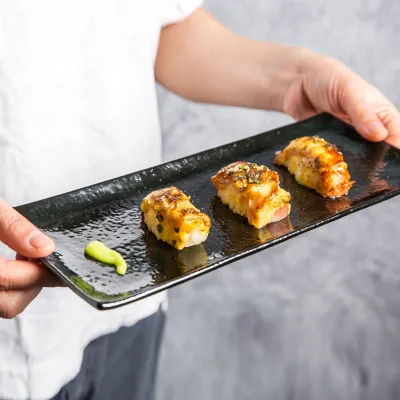
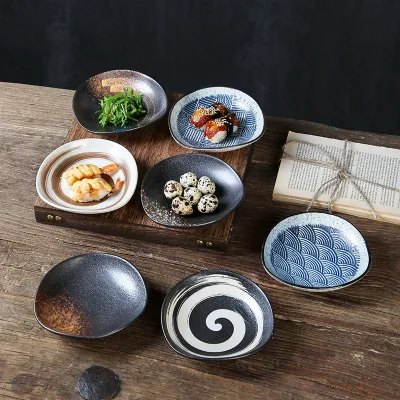
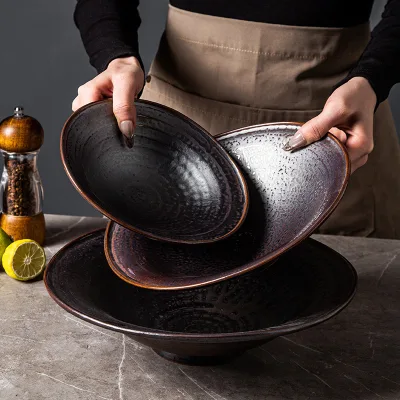
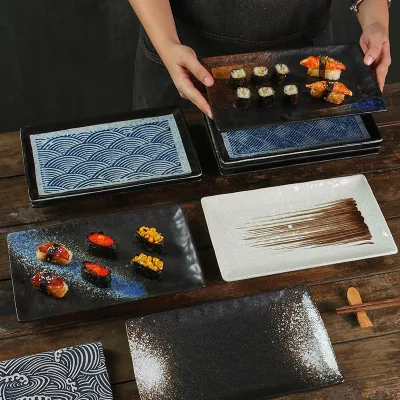





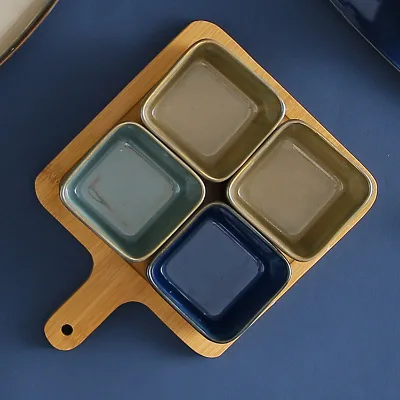
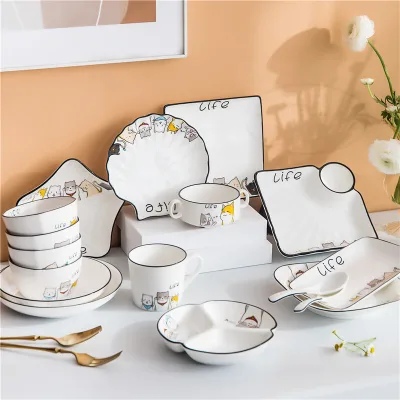
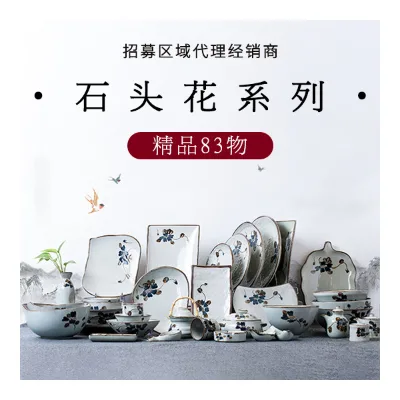

Comprehensive Sourcing Guide
Strategic Sourcing Guide for Japanese Style Snack Plate and Tray Sets
Understanding Product Attributes and Design Variations
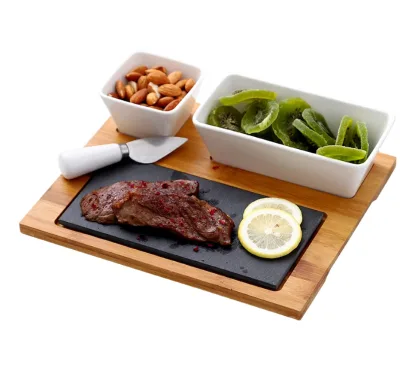
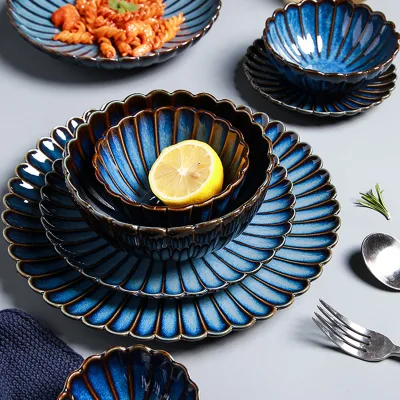
When sourcing Japanese style snack plate and tray sets, buyers must first navigate the diverse landscape of design interpretations available in the current market. The term "Japanese style" often encompasses a spectrum ranging from traditional minimalism to modern adaptations like the Japandi aesthetic, which blends Japanese and Scandinavian influences. Based on observed product data, the market offers distinct stylistic categories including Japandi, Retro, and Contemporary designs. These styles dictate the visual language of the product, influencing everything from silhouette to surface treatment.
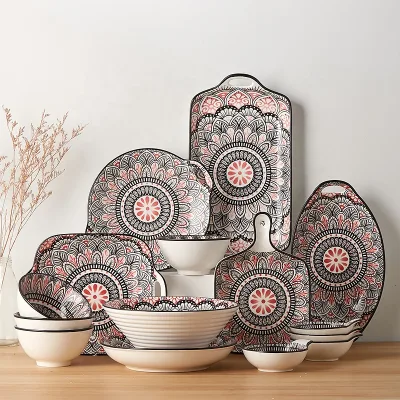
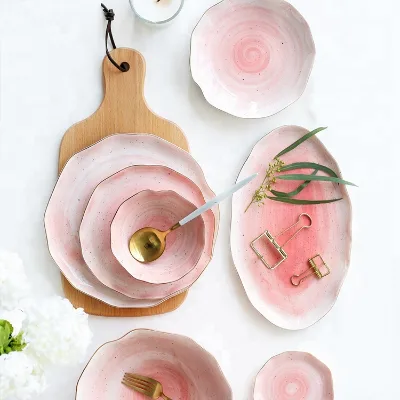
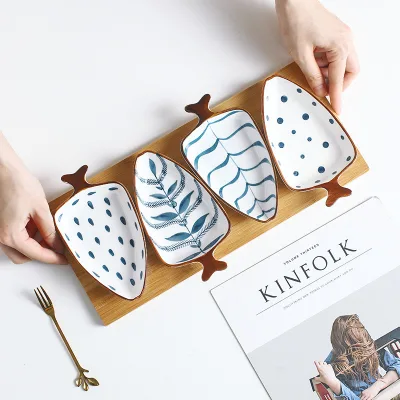
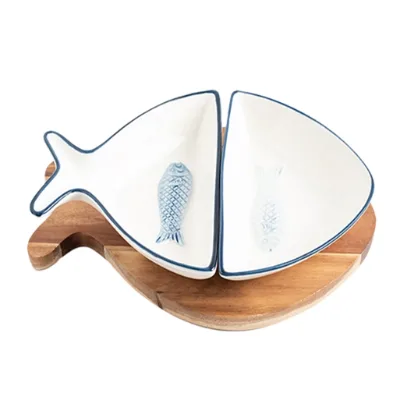
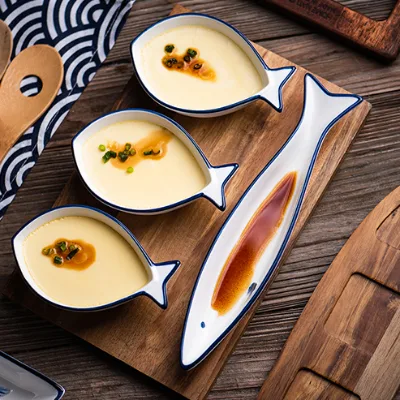
The physical form of these items is equally varied. While some products adhere to a classic Rectangular shape, others feature an Irregular shape or a ROUND configuration, reflecting the Japanese appreciation for natural, imperfect forms (wabi-sabi). The pattern types observed range from "Lucky and Joyous" motifs, which are culturally significant in Japanese tradition, to "Solid" colors that emphasize the material's texture. Color options are extensive, with listings indicating a wide palette from specific alphanumeric codes (A through K) to numbered sequences (1 through 10), as well as standard White finishes.
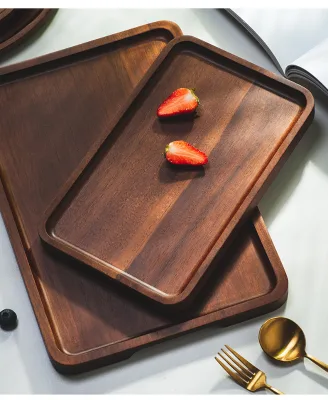
Material selection is a critical differentiator in this category. The supply chain presents two primary material categories: Ceramic and Bamboo (or Bamboo & Wood). Ceramic sets are often highlighted for their durability and heat resistance, making them suitable for both hot and cold snacks. In contrast, Bamboo and Wood options offer a distinct organic feel and are frequently marketed as Eco-Friendly or Sustainable. The technique used in manufacturing, such as "On-glazed" processes for ceramics, further defines the finish and functionality. Buyers should note that while some listings specify a "Dinnerware Type" of Dinnerware sets, others categorize items specifically as Dishes & Plates or Plate Dish, indicating that the intended use may vary from full meal service to specialized snack presentation.
Technical Specifications and Functional Requirements
Evaluating the technical specifications of snack plate and tray sets requires a granular look at dimensions, capacity, and manufacturing processes. For ceramic products, the "On-glazed" technique is a common specification, suggesting a specific firing and coating process that enhances the surface finish and hygiene. The model numbers associated with these items, such as CE041, CEC429102, CEC464102, and CEC63019, serve as unique identifiers for specific design iterations and should be used for precise communication with suppliers.
Capacity and user count are vital for B2B procurement, particularly for catering or hospitality applications. Data indicates that some sets are designed for large groups, with specifications for ">10 L" users, while others are tailored for smaller gatherings, such as sets for "6" users. The quantity per set can range from 6 to 10 pieces, depending on the configuration. For bamboo products, dimensions are often defined by diameter, with specific listings noting an 8-inch diameter for plate variants.
Packaging details also play a technical role in the procurement process. Some items are listed with "OEM PACKAGE" details, implying that the packaging can be customized to the buyer's branding requirements. The single package size is a critical metric for logistics planning, though specific dimensions (XX cm) must be verified with the supplier for each model. Additionally, the "Selling Units" are typically listed as "Single item," meaning buyers should clarify if the minimum order quantity (MOQ) applies to a single unit or a complete set.
Compliance, Certification, and Safety Standards
For food-contact products like snack plates and trays, compliance with international safety standards is non-negotiable. The supply chain data highlights specific certifications such as CE/EU and FDA. These certifications indicate that the products meet regulatory requirements for safety in the European Union and the United States, respectively. The FDA certification is particularly relevant for products intended for the North American market, ensuring that the materials do not leach harmful substances into food.
When sourcing ceramic items, buyers must verify that the glazing process adheres to heavy metal limits (such as lead and cadmium) set by international standards. While the provided data mentions "CE/EU" and "FDA," it does not specify the exact test results or batch numbers. Therefore, procurement teams must request current test reports for every production batch to ensure ongoing compliance. For bamboo and wood products, the "Eco-Friendly" and "Sustainable" attributes suggest adherence to environmental standards, but buyers should verify if these claims are backed by third-party forestry certifications (such as FSC) or if they are self-declared by the manufacturer.
The "Stocked" status of many items suggests that suppliers maintain inventory, which can facilitate faster sampling and compliance verification. However, for customized orders involving "Logo printing," which is noted as "Available" for certain MOQ thresholds, the customization process must also adhere to safety standards regarding inks and adhesives used in the branding process.
Cost Drivers and Minimum Order Quantities
The cost structure for Japanese style snack plate and tray sets is influenced by several variables, including material, customization, and order volume. The observed price range in the market spans from $0.11 to $18.50 USD, a wide disparity that reflects differences in material quality, design complexity, and brand positioning. Ceramic sets, particularly those with intricate "Lucky and Joyous" patterns or specialized "On-glazed" finishes, tend to occupy the higher end of this spectrum. Conversely, basic bamboo or solid-color ceramic items may be found at the lower end.
Minimum Order Quantities (MOQ) are a significant factor in budgeting. The data reveals a broad MOQ range, from as low as 10 pieces to as high as 11,520 pieces. Specific listings show MOQs of 22 pieces, 50 pieces, and 500 pieces. The 500-piece threshold is notably associated with "Logo printing" availability, suggesting that branding customization often requires a higher volume commitment to be economically viable. Buyers with smaller volume needs should target suppliers with lower MOQs (e.g., 10-50 pieces) or those offering "Stocked" items that do not require a production run.
Other cost drivers include the "Place of Origin," with Henan, China, and general "China" origins listed. Logistics costs, including shipping from these regions, will impact the final landed cost. Additionally, the "Season" attribute is listed as "All-Season," which implies that these products are not subject to seasonal price fluctuations, offering more stable pricing throughout the year. However, raw material costs for bamboo and ceramics can fluctuate based on global supply chains, so buyers should monitor market trends.
Supplier Evaluation and Sourcing Channels
Evaluating suppliers for this category requires a focus on their ability to deliver consistent quality across different material types and design styles. The presence of "OEM" and "CEC" as brand names in the data suggests a mix of private label manufacturers and established brand suppliers. Buyers should prioritize suppliers who demonstrate transparency in their "Place of Origin" and can provide clear documentation for their "Certification" claims.
Key evaluation criteria include:
- Customization Capability: Verify if the supplier can handle "Logo printing" and "Customization" requests within the desired MOQ.
- Inventory Management: Suppliers with "Stocked" items offer faster lead times, which is crucial for urgent procurement needs.
- Product Range: A supplier offering both "Japandi" and "Retro" styles, as well as both "Ceramic" and "Bamboo" materials, indicates a versatile manufacturing base.
- Communication: Ensure the supplier can provide detailed specifications for "Single package size" and "Model number" to avoid confusion during order placement.
Buyers should avoid suppliers who make unverified claims about performance or certifications. Instead, rely on the "Actual product count" and observed data points to gauge the supplier's catalog depth. The "Number of users" specification (e.g., >10 L or 6) can also indicate the supplier's experience with different market segments, from large-scale hospitality to small retail.
Quality Control and Inspection Protocols
Quality control (QC) is essential to ensure that the received goods match the agreed-upon specifications. For ceramic items, visual inspection should focus on the "On-glazed" finish for chips, cracks, or uneven coloring. The "Pattern type" (e.g., Solid vs. Lucky and Joyous) must be checked for alignment and color accuracy against the "Picture Shown" reference. For bamboo products, inspection should verify the integrity of the "Bamboo & Wood" construction, checking for splinters or weak joints.
Dimensional accuracy is another critical QC point. Buyers must verify that the "Diameter" (e.g., 8 in) and "Single package size" match the technical drawings. The "Shape" (Rectangular, Irregular, or ROUND) must be consistent across the entire batch. Additionally, the "Color" options (A-K or 1-10) should be cross-referenced with the buyer's color standards, as "White" or other colors may have slight variations between batches.
Testing for food safety should be conducted on a random sample basis, especially for items claiming "FDA" or "CE/EU" certification. This includes checking for lead and cadmium leaching in ceramics and ensuring that bamboo products are treated with food-safe finishes. The "Feature" attributes like "Heat Resistant" and "Eco-Friendly" should be validated through performance testing or third-party reports, rather than relying solely on marketing descriptions.
Long-Term Procurement and Supply Chain Resilience
Sourcing Japanese style snack plate and tray sets is not just a one-time transaction but a long-term partnership that requires strategic planning. The "All-Season" nature of these products means they are suitable for year-round demand, but buyers must plan for potential supply chain disruptions. The "Place of Origin" being China presents specific logistical considerations, including shipping times and potential tariff changes.
To build resilience, buyers should consider diversifying their supplier base across different model numbers (e.g., CE041, CEC429102) and material types (Ceramic vs. Bamboo). This approach mitigates the risk of stockouts if one specific product line faces production delays. Furthermore, establishing a relationship with suppliers who offer "OEM PACKAGE" and "Customization" allows for brand differentiation and long-term brand building.
Buyers should also monitor the "MOQ" trends. As order volumes increase, suppliers may offer more favorable pricing or lower MOQs for future orders. The "Selling Units" being "Single item" suggests flexibility in ordering, but buyers should negotiate volume discounts for repeat orders. Finally, maintaining a clear record of "Model number," "Certification," and "Test results" for each batch will facilitate smoother reordering and quality assurance in the future. By focusing on these long-term considerations, buyers can ensure a stable and high-quality supply of Japanese style snack plates and trays for their business needs.
FAQs
What materials are available for these sets?
The sets are primarily made from Ceramic or Bamboo and Wood. Ceramic options often feature an On-glazed technique and are heat resistant, while bamboo varieties are marketed as Eco-Friendly and Sustainable for organic presentation.
Which certifications do the products hold?
Selected ceramic items carry CE/EU and FDA certifications for food safety. These standards ensure the products meet regulatory requirements for the European Union and the United States, though specific test reports should be verified per batch.
Can I customize the packaging for my brand?
Yes, customization is available for orders meeting specific volume thresholds. Listings indicate that logo printing is available for Minimum Order Quantities of 500 pieces, and OEM packaging options exist for tailored branding requirements.
What is the minimum order quantity for stock items?
Minimum Order Quantities range from 10 to 11,520 pieces depending on the specific model. Stocked items often have lower thresholds, such as 22 or 50 pieces, allowing for smaller initial procurement runs without custom production.
Where are these products manufactured?
Products originate from China, with specific listings noting Henan as the place of origin. This location influences logistics planning and shipping costs, which are factors to consider when calculating the final landed cost for international buyers.
How many users can these dinnerware sets accommodate?
Sets are designed for varying group sizes, ranging from 6 users to more than 10 users. Some configurations specify quantities of 6 to 10 pieces, making them suitable for both small gatherings and large hospitality events.